

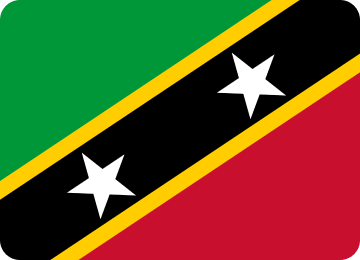








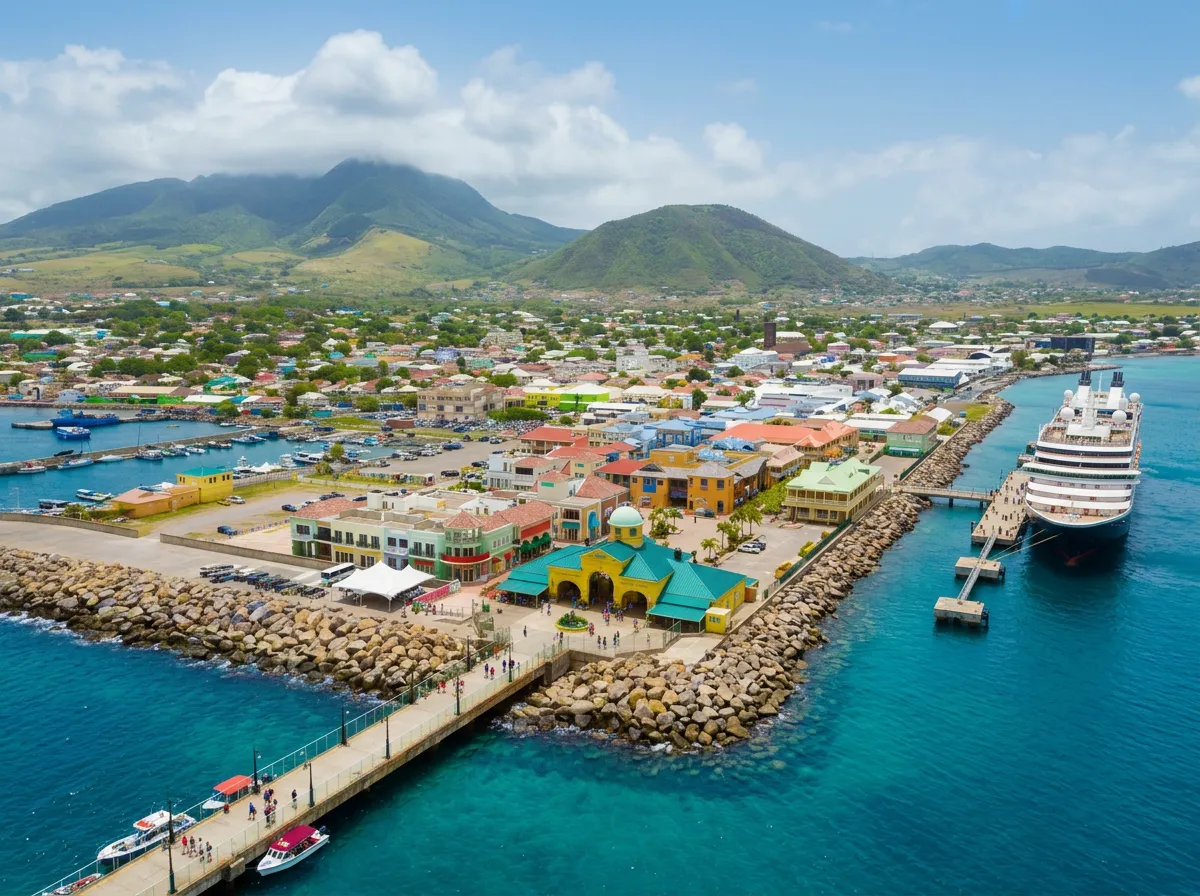
St. Kitts & Nevis


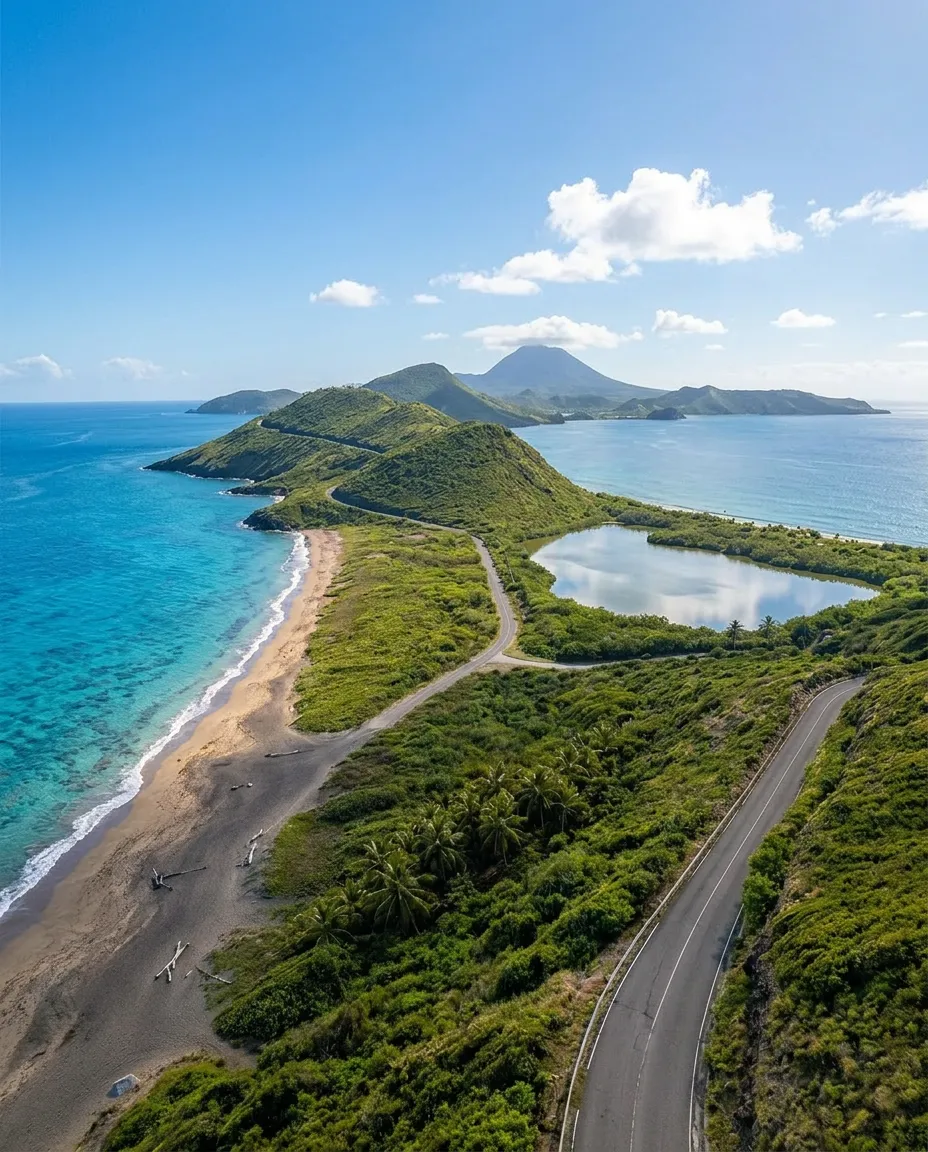
Two Islands, Forty Years of Trusted Citizenship
Britain granted independence in 1983. What followed were four decades of stable parliamentary governance under Commonwealth membership, English law, consistent policy, and no major political disruption. Tourism and financial services drive the economy today. The citizenship program, launched in 1984, has become a major pillar in its own right and the reason most investors first come across St. Kitts & Nevis.

CAPITAL
Basseterre

TOTAL AREA
620 km²

POPULATION
180,000+

LANGUAGE
English, French Patois
PROGRAM OVERVIEW
St. Kitts & Nevis Citizenship by Investment
Three investment routes are available: the Sustainable Island State Contribution starting from USD 250,000, the Public Benefit Option at the same threshold, and government-approved real estate from USD 325,000. The Citizenship by Investment Unit (CIU) manages each application directly, with a strong focus on due diligence and compliance. That level of scrutiny is a key reason the passport continues to hold international credibility.
PROGRAM ADVANTAGES
Key Benefits of the St. Kitts & Nevis Citizenship by Investment Program

The World's Oldest CBI Program

Visa-Free Travel to 150+ Countries

CARICOM Membership

Lifetime Citizenship

Full Family Inclusion

No Personal Income Tax
Three Routes to St. Kitts & Nevis Citizenship
Investment Options
Sustainable Island State Contribution (SISC)
Single applicant or family of up to 4
$250,000

Public Benefit Option (PBO)
Single applicant or family of up to 4
$250,000
Real Estate Investment
Condominium or share unit in approved development
$325,000
ELIGIBILITY, TIMELINE & GOVERNMENT FEES
Government and Due Diligence Fees

Due Diligence Fee
Main applicant: USD 10,000
Dependents aged 16 and above: USD 7,500 per person
Children under 16: No due diligence fee

Application Fees
USD 250 Per Person

Passport Fee
- USD 500 per person
APPLICATION PROCESS
How the Application Process Works
St. Kitts & Nevis operates one of the Caribbean’s most established and detail-oriented citizenship by investment processes. From initial submission to passport issuance, the full process typically takes around six to eight months.

Initial Consultation

Document Preparation

Due Diligence & Background Check

Approval and Investment Completion

Certificate of Registration and Biometric Submission
ELIGIBILITY & TIMELINE
Who Qualifies, and How Long It Takes
APPLICANT
Who Can Apply
The program is open to most nationalities. Basic requirements:
- Minimum age 18
- Clean criminal record — personal and financial
- Good health — medical certificate required
- Proof of legitimate source of funds
- No prior visa denials to countries where St. Kitts & Nevis has visa-free access (some exceptions apply)
No language test. No education requirement.
Note: Eligibility requirements are subject to the latest Citizenship by Investment regulations and government policies. Our advisors will assess your eligibility based on your individual circumstances and the current program requirements.

Who You Can Bring Along
Dependents can be included under the same application:
- Your spouse
- Children up to 30 — unmarried and financially dependent (no education requirement under 2026 updates)
- Children of any age with a physical or mental disability — if fully financially dependent
-
Parents and grandparents aged 55 and above — financially dependent on the main applicant
- Dependents can be added after citizenship is granted for an additional fee
How Long the Process Takes
- 6-8 months – realistic timeline from submission to passport
- Mandatory Interview- Conducted for all applicants 16+ (usually via video conference) to verify intent and background.
- Biometrics required – submitted at approved center or consulate
- Certificate of Registration collected in person at nearest consulate
- No residency conditions currently in effect
Visa-Free Countries with the ST. KITTS AND NEVIS Passport
Explore 155+ Destinations
21st
Current Passport Ranking
155+
Visa-Free Destinations
WHY UNO CAPITAL
Experience. Integrity. Results.
Over 25 Years of Combined Experience
Helping investors navigate citizenship by investment opportunities with practical guidance, strategic planning, and a deep understanding of Caribbean programs.
Trusted by 1000+ Clients
Families and investors across the globe have relied on our team to secure greater mobility, security, and long-term opportunities.
Expertise Across All Four Investment Routes
Whether you’re considering the National Development Fund, real estate, business investment, or the UWI Fund, we help you choose the most suitable pathway.
Strong Caribbean Focus
Extensive experience advising clients on Antigua & Barbuda and other leading Caribbean citizenship programs.
Expert Guidance from Start to Finish
From assessing eligibility to preparing documentation and coordinating with authorized stakeholders, we support every stage of the process.
Thorough Due Diligence Preparation
We help applicants prepare for Antigua & Barbuda’s due diligence requirements, ensuring a smooth and compliant application experience.
End-to-End Citizenship Support
From your initial consultation to receiving your Antigua & Barbuda passport, our team manages the process with care, efficiency, and discretion.
BEGIN YOUR JOURNEY
Apply for St. Kitts and Nevis Citizenship by Investment Today

Start Your Application
INSIGHTS & UPDATES
Latest Insights on Citizenship & Residency


St. Kitts and Nevis Citizenship by Investment – FAQs
How much does St. Kitts & Nevis citizenship cost in total?
SISC and PBO routes start at USD 250,000 for a single applicant or family of up to four. Real estate starts at USD 325,000. Add due diligence fees of USD 10,000 per adult, government processing fees, and passport costs. For a family of four through the SISC route, the total all-in cost typically runs around USD 282,000–300,000. UNO Capital provides a full breakdown before any commitment.
Can I include my adult children in the application?
Yes, under the 2026 updates, children up to 30 can now be included, provided they are unmarried and financially dependent. The previous requirement to be in full-time education has been removed. Applications must be filed before the dependent’s 30th birthday.
Do I need to submit my biometrics before printing the passport?
Yes, applicants are required to submit their biometrics at the nearest approved embassy or consulate before the passport is printed.
Why is St. Kitts & Nevis considered the gold standard of CBI programs?
It has been running since 1984, longer than any other citizenship by investment program in the world. Four decades of consistent operation, rigorous due diligence, and a passport that has maintained strong global mobility throughout. When other programs come and go, St. Kitts & Nevis stays. That consistency is what makes it the benchmark.
Can I live in St. Kitts & Nevis after obtaining citizenship?
Yes. St. Kitts & Nevis citizenship grants you the right to live, work, and study in the country. However, there is no residency requirement to maintain your citizenship, allowing you to enjoy the benefits of the program while living anywhere in the world.
How long must I hold the real estate?
Seven years for condominium and share units in approved developments (USD 325,000 minimum). Seven years for approved private real estate projects (USD 600,000 minimum). Citizenship remains valid after the sale; the holding period is a program condition, not a citizenship condition.
What documents will I need?
Valid passport, birth certificate, police clearance from every country lived in for more than six months over the last 10 years, bank statements, proof of source of funds, medical certificate, and passport photos. Marriage or divorce certificates, where applicable. UNO Capital sends a full personalized checklist at the start of the process.
What is the difference between SISC and PBO routes?
Both require the same USD 250,000 contribution. SISC funds go toward renewable energy and climate-resilient infrastructure. PBO funds go toward national housing and community development projects. It also includes major infrastructure (such as airport expansion), educational facilities, tourism development, and industrial innovation. Both deliver identical citizenship outcomes. The choice is a matter of personal preference on where your contribution goes.